

Updated 12 October 2026.
Looking for a mat and not sure where to start? Before you get lost in colours and measurements, think about where you’ll actually use it. At home? In a studio? Tucked into your bag for movement between everything else?
Those everyday details can help you choose a mat you’ll enjoy reaching for, whether your routine includes yoga, mat Pilates, stretching or a bit of each.
Yoga mat versus Pilates mat: what should you compare?
Start with the features, rather than relying on the name alone. Compare the cushioning, firmness, surface feel and size of the mats you’re considering. Then think about what you prefer in your own sessions.
If you spend time seated or lying on the floor, how the cushioning feels may be high on your list. If your routine includes standing movement, think about whether you like a firmer surface underfoot. You might want a balance of both.
This guide is about choosing a mat for floor based movement. If you’re joining a class, check the studio’s equipment requirements before buying. A mat for the floor isn’t automatically a fit for a reformer or other Pilates equipment.
1. Think about where you’ll take it
If your mat goes from home to class and then to the office, its packed shape matters as much as its weight. A rolled mat and a folded rectangle take up space differently.
The Movement Mat folds to approximately 36 × 31 × 6 cm and weighs 950 g without packaging. Measure your bag’s opening and internal space, with your other essentials in mind. For trips away, our guide to travelling with a foldable mat covers what to check before packing.
2. Choose a feel you enjoy
Thickness is useful to compare, but firmness and material affect the feel too. The Movement Mat is 6 mm thick and made from a PVC free TPE blend. It’s reversible, so you can use either side.
You can fold sections over to add padding in a smaller area, which changes the available surface. For more on the tradeoffs, read our guide to yoga mat thickness.
3. Check your space, both open and packed
A compact packed mat still needs room when it’s open. The Movement Mat measures 183 × 61 cm laid flat. Check the space where you plan to move, including room around the mat.
Then think about where it will live between sessions. A shelf, drawer or cupboard might be just the spot, depending on its dimensions. Our small space storage guide can help you plan it.
4. Make care part of the decision
Choose a mat you’re happy to look after. For the Movement Mat, wipe clean with a damp cloth and let it dry fully before folding it away. Avoid harsh cleaners, direct sun and sharp objects that could damage the surface.
If materials matter to your choice, look for the actual composition and care instructions. When it’s time to retire your Movement Mat, you can return it to us for recycling through TerraCycle. Email us first so we can share the return instructions.
5. Check what you’re buying
Compare the current price, what’s included and how you’ll carry it. If you’d like a matching backpack, explore the Everyday Bag or see the current Movement Mat and bag bundle. Check the product pages for available colours and inclusions.
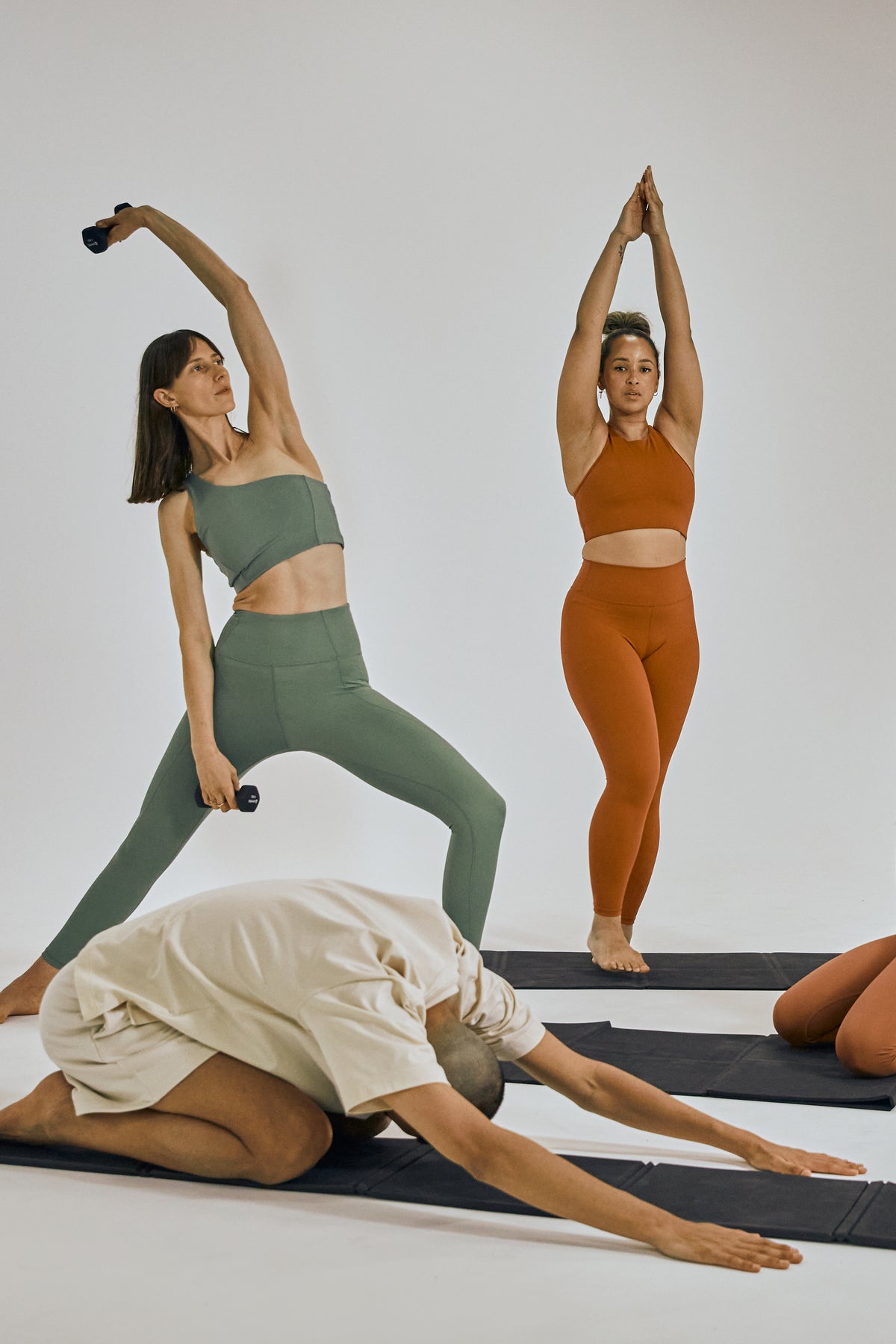
You don’t need to find a different mat for every part of your week. Start with the features that matter to you, check any class requirements, and choose something that fits your space and routine. See the Movement Mat in action when you’re ready for a closer look.


