

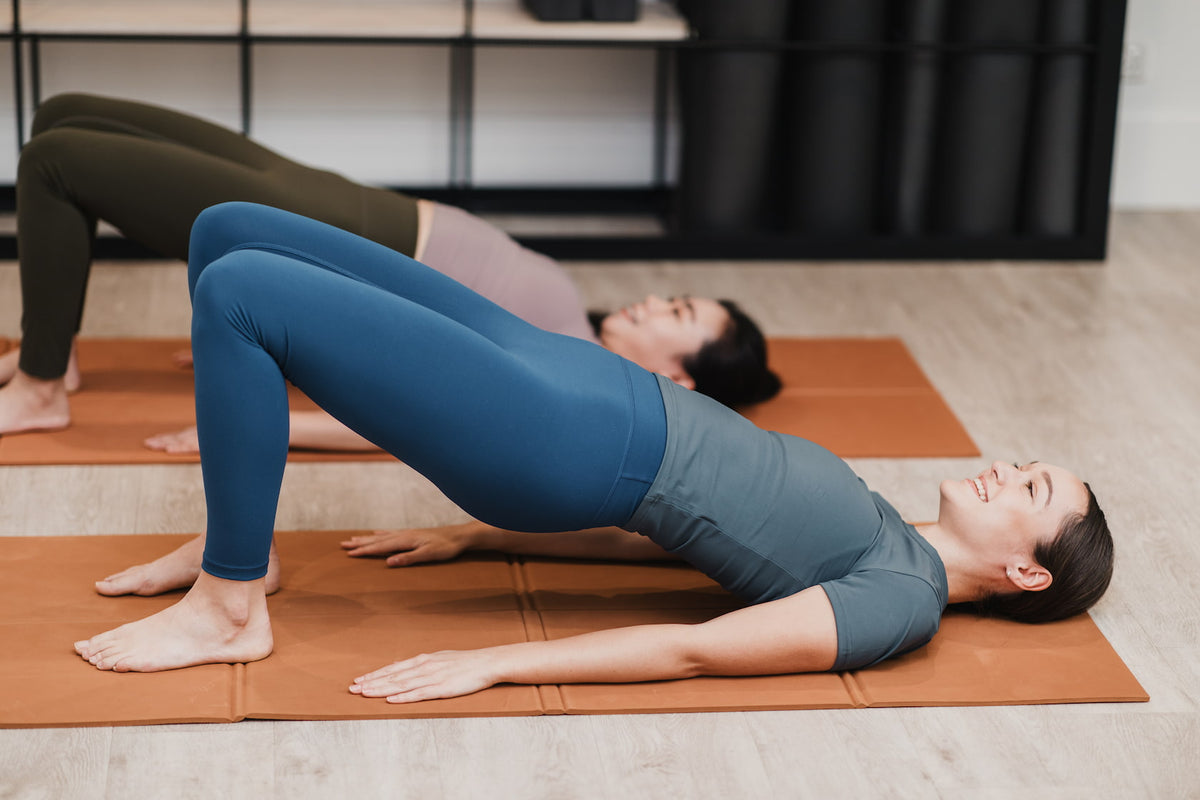
A weekly yoga class can be a lovely thing to have in the diary. A chance to move, put your phone away and spend a little time doing something for yourself.
It’s also another expense. So if you’ve heard that private health insurance rebates for yoga are back, you might be wondering whether your next class could cost a little less.
The answer is: possibly. There’s been a change to the rules, but what you can claim still depends on your health fund, your policy and why you’re attending.
What’s changed?
From 1 July 2025, yoga became eligible for private health insurance cover again, alongside six other natural therapies, including Pilates and tai chi.
The change allows health funds to offer benefits for these services. Each insurer still decides whether to include them, when that cover starts and how much it will pay. So “yoga rebates are back” doesn’t mean every yoga class is automatically covered. [1]
If you checked your policy a few years ago and were told yoga wasn’t included, it may be worth checking again.
There’s an important condition
The reason you’re attending matters.
Private Healthcare Australia, the peak body for health insurers, explains that these therapies can be covered for treating health conditions or through a health management program. Attending purely for fitness isn’t enough. This is a broader eligibility requirement, rather than a condition unique to one fund. [2]
The paperwork, eligible providers, waiting periods and benefit limits can still vary between policies.
That doesn’t make a class you attend for enjoyment any less worthwhile. It simply means enjoying yoga and being eligible for an insurance benefit are different things.
What does that look like in practice?
One current example is ahm, which introduced yoga and Pilates benefits from 1 April 2026 on selected extras policies with Health Improvement Benefits. [3]
Its requirements explicitly include managing an identified health condition or a diagnosed mental health condition. You’ll need a health provider to complete its approval form, confirming the condition the class or program is intended to help manage.
That provider doesn’t necessarily have to be your GP. ahm’s list includes medical practitioners, physiotherapists, exercise physiologists and psychologists, among others. The recommendation still needs to be appropriate to your circumstances. [4]
The class format matters too. ahm’s member guide specifies face-to-face yoga and Pilates classes or courses. Clinical Pilates delivered by a registered physiotherapist may instead be claimable under your physiotherapy entitlement. Those distinctions are a good reason to give your fund the actual class details before booking. [5]
What should you ask your health fund?
Before paying for a term of classes or a studio membership, ask your fund to check your exact policy and the service you have in mind.
These questions are a useful place to start:
- Does my current policy include yoga? Ask which benefit category it falls under.
- Does my reason for attending meet the requirements? Find out what recommendation or approval form is needed, and who can complete it.
- Is this teacher, studio and class eligible? Mention whether it’s online or in person, a group class or an individual session.
- How much would I get back? Check the benefit per session, annual limits and whether the allowance is shared with other services.
- What do I need to do before starting? Confirm any waiting period, approval requirements and receipts you’ll need to keep.
You don’t need to know the insurance terminology. A straightforward “I’m considering this yoga class—can you check whether I can claim it?” is enough to get the conversation started.
Getting the answer in writing gives you something to refer back to when it’s time to claim.
Is this a Medicare rebate?
The change described here is about private health insurance. It doesn’t create a Medicare rebate for a regular yoga class. The benefit, where available, comes through your eligible health fund policy. [1]
A little checking before you book
If yoga is already part of your week, checking your existing cover could be a useful bit of life admin. Have your policy details and the studio’s information handy, and find out what applies before committing to a package.
If a rebate isn’t available, that doesn’t have to decide whether yoga has a place in your routine. A casual class, a local community session or a practice at home might suit your time and budget better.
The aim is to find a way of moving that works for you. Knowing what it will actually cost makes that a little easier.
Information checked on 15 October 2026. Benefits and eligibility vary by insurer and policy; confirm your cover before booking.
Sources
- Australian Government Department of Health, Disability and Ageing: private health insurance changes from 1 July 2025.
- Private Healthcare Australia: natural therapies accreditation and claims framework, 1 July 2025 (PDF).
- ahm: Natural therapies explained.
- ahm: Health Improvement Benefits explained.
- ahm Member Guide (PDF).


